

Nearly one in five U.S. students faces bullying during middle or high school, and the emotional toll of it can last long after the teasing or isolation ends. For some young people, it leads to anxiety, depression, or even thoughts of self-harm. Adults—especially parents and educators—are a child’s first line of defense. The six books below provide insight and strategies to help you identify bullying, intervene effectively, and build safer spaces for every child.
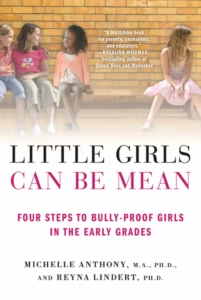 Little Girls Can Be Mean
By Michelle Anthony
Bullying behavior occurs in girls as young as five years old. The most common form of bullying among young girls includes relational aggression, which can be subtle, such as spreading rumors. This book offers a four-step method for adults to observe, connect, guide, and support, along with practical tips to help both children and adults navigate challenging social situations.
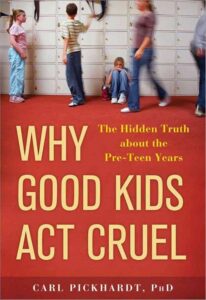 Why Good Kids Act Cruel
By Carl Pickhardt
During early adolescence, young people experience a period of anxiety, uncertainty, and insecurity. To make the transition to young adulthood more difficult, children often fail to share their experiences. This leaves them feeling alone and isolated during an already confusing and emotional time. The result is that any child going through this may behave in a hurtful way. The book offers strategies for parents to support their children during this challenging time.
 Girl Wars: 12 Strategies that Will End Female Bullying
By Cheryl Dellasega
This guide is written specifically for parents who want to help their preteen and teenage girls learn how to handle bullying. It provides ways to teach communication skills, learn conflict resolution, and alternatives to bullying behavior. Dellasega stresses assertiveness, not aggressiveness. Through real-life stories and actionable guidance, the book encourages girls to build healthy friendships, develop resilience, and create a culture of kindness and respect.
 The Bully, The Bullied, and the Not-So-Innocent Bystander
By Barbara Coloroso
This book explains the three players — the bully, the bullied, and the bystander — and why they act as they do. It also addresses why adults sometimes dismiss bullying as normal childish behavior and how boys and girls bully each other differently. Coloroso also discusses issues that may arise as children grow older, including cyberbullying and sexual bullying. The book is a great starting point for any adult who wants a well-rounded understanding of bullying.
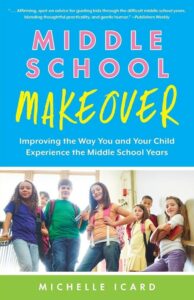 The Middle School Makeover
By Michelle Icard
It’s known that middle school is challenging, but Icard provides research that gives insight into why. Each chapter addresses a distinct issue, including peer pressure, social exclusion, and the desire for popularity. This book offers guidance on how adults in a middle schooler’s life can help make the experience positive. Drawing on current research in adolescent development and her extensive experience working with tweens and their families, Icard explains how changes in the developing brain influence behavior, decision-making, and social relationships.
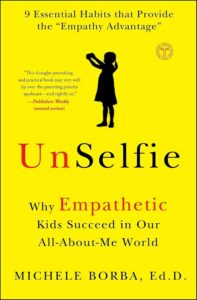 UnSelfie: Why Empathetic Kids Succeed in Our All-About-Me World
By Michele Borba
Self-focused behavior can negatively affect academic performance, lead to bullying behavior, and reduce a child’s resiliency. This thoughtful book explores nine research-based habits that adults can use to help build a child’s empathy, such as managing their own emotions and thinking in terms of “us” rather than “them.” Assisting young people to develop empathy can set them up for a lifetime of positive relationships.


